
The complete guide
A Practical Guide to Choosing Watermelon Amino Acid Powder
Start with the details that matter
Choosing a flavoured supplement powder can be harder than it first looks. A product title gives you a flavour and a pack size, but it may not tell you the scoop weight, serving count or full allergen position. Those details matter more than a long list of claims.
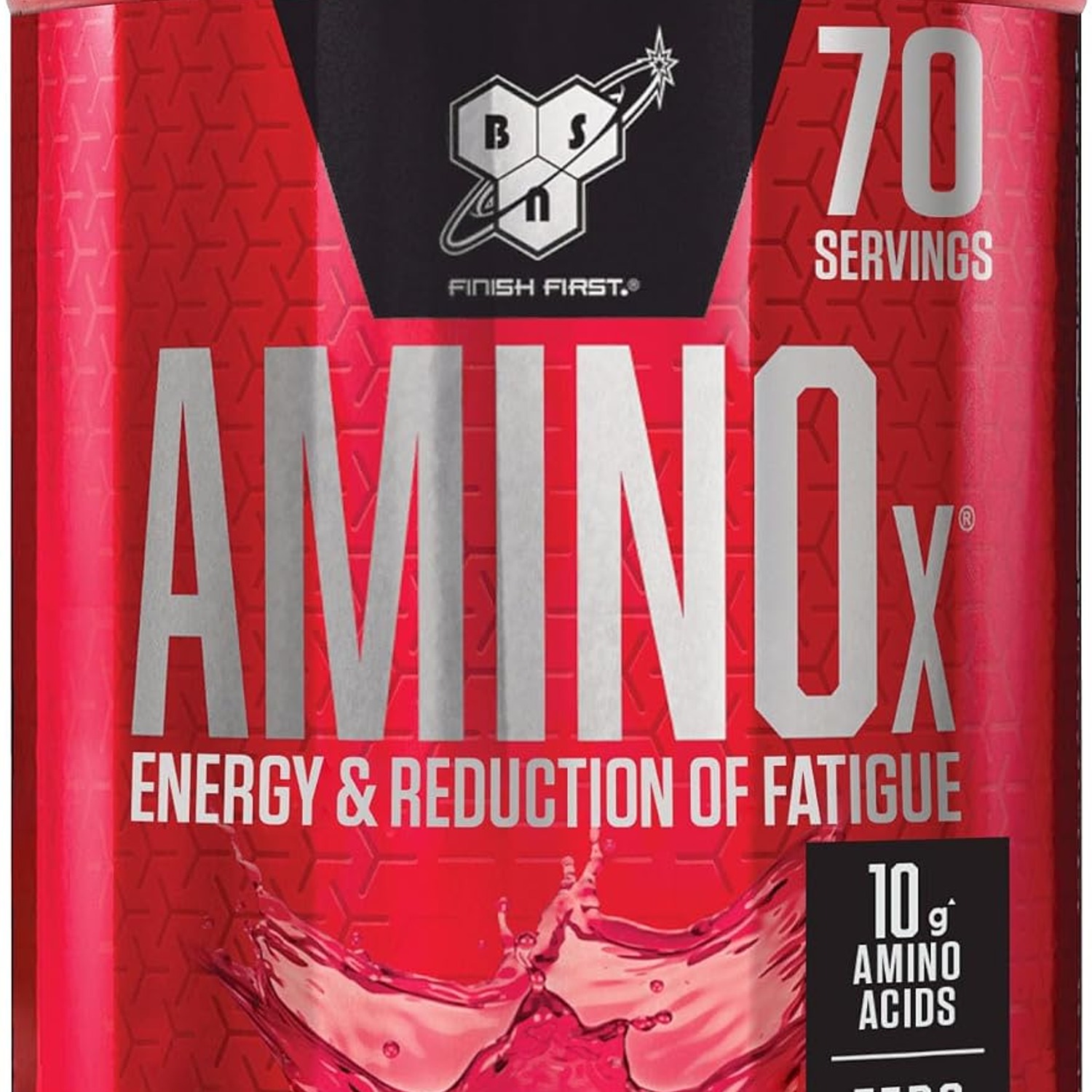
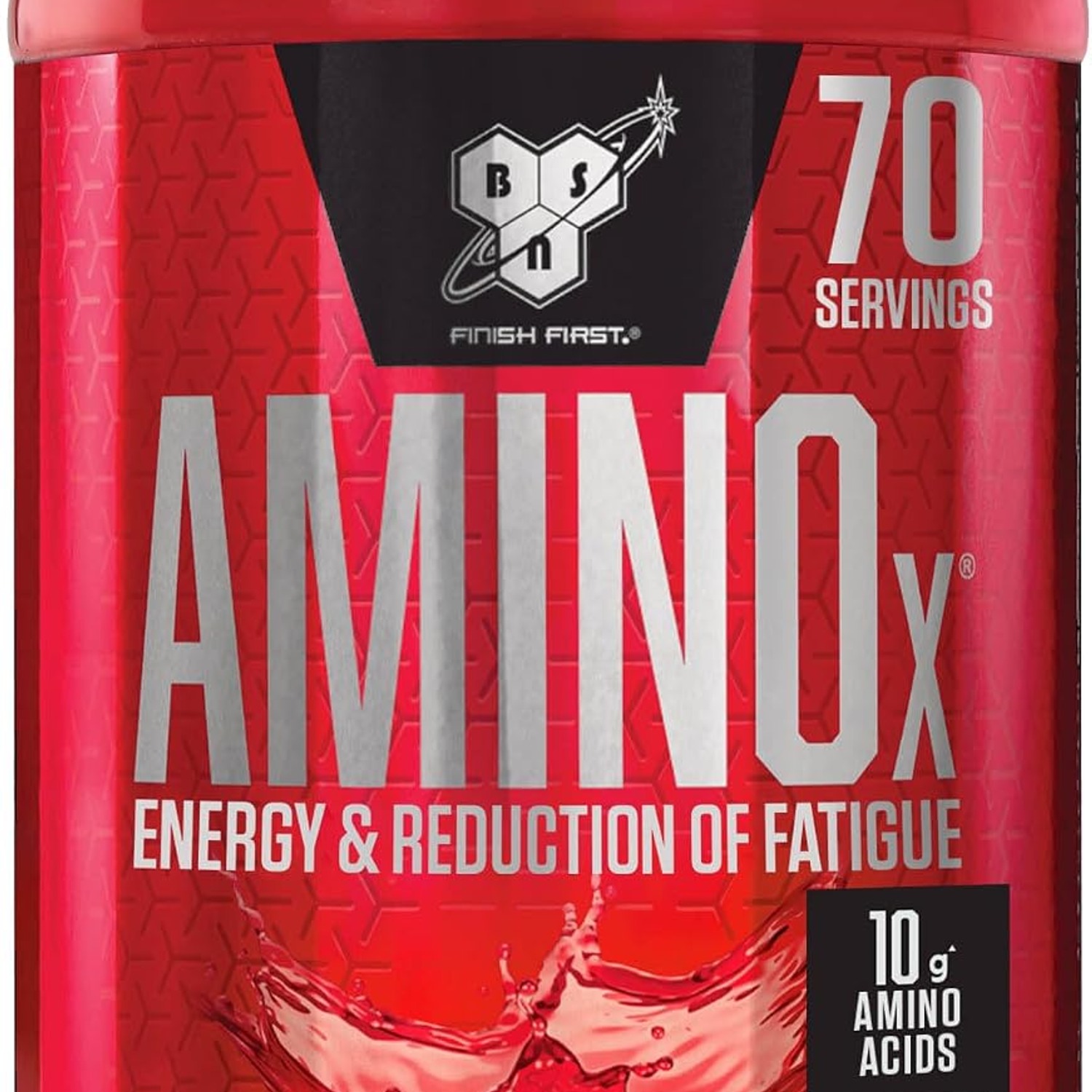
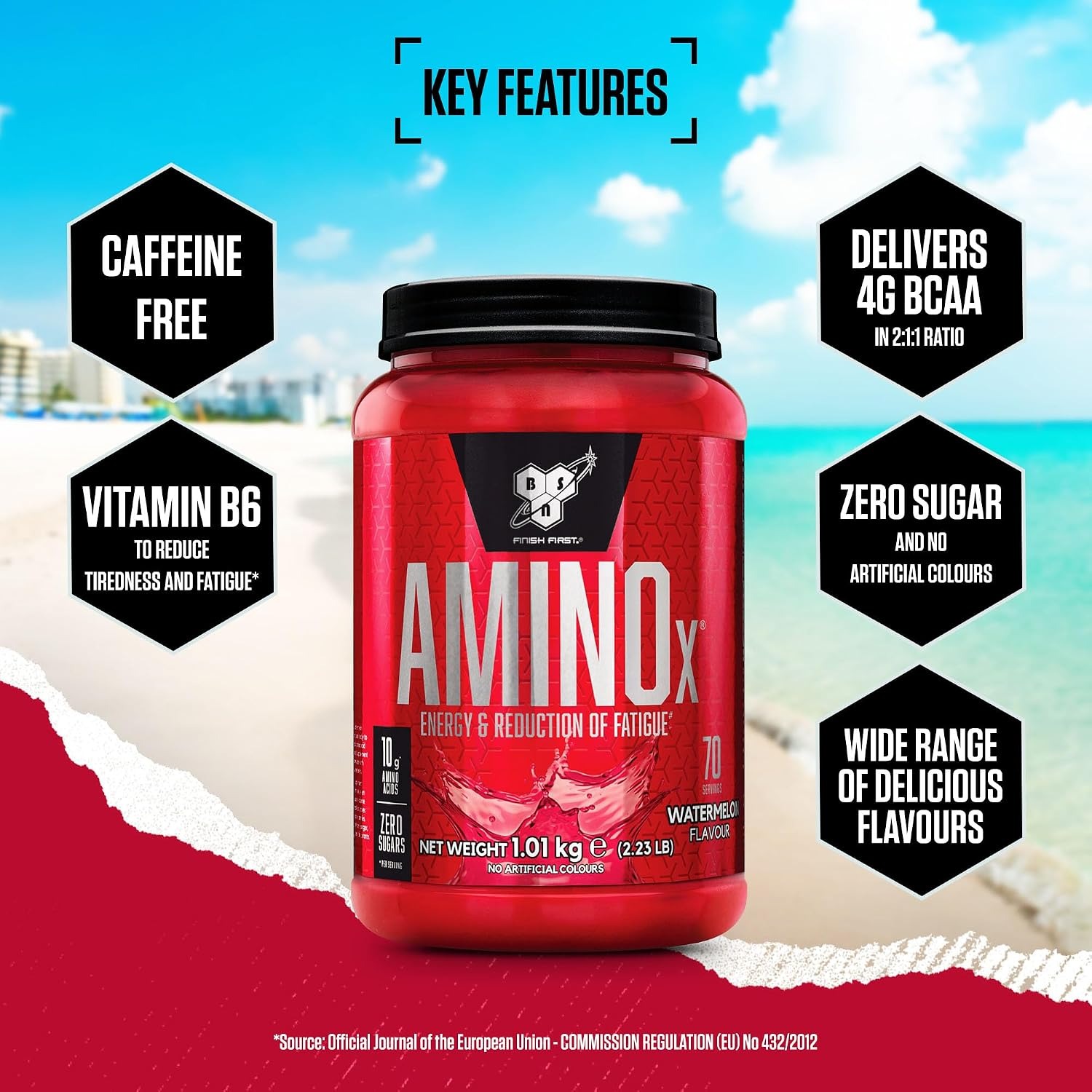
This Amino Acid Powder Watermelon 1 kg is a powder in a canister, listed for adults. It is described as sugar free and caffeine free. The supplied directions use cold water and a level scoop, which gives you a clear starting point for checking how it would fit into your routine.
There are also gaps and conflicting fields in the maker's description. This guide separates the stated details from the points you should confirm on the pack. It does not promise a particular result from taking the product.
What you are buying
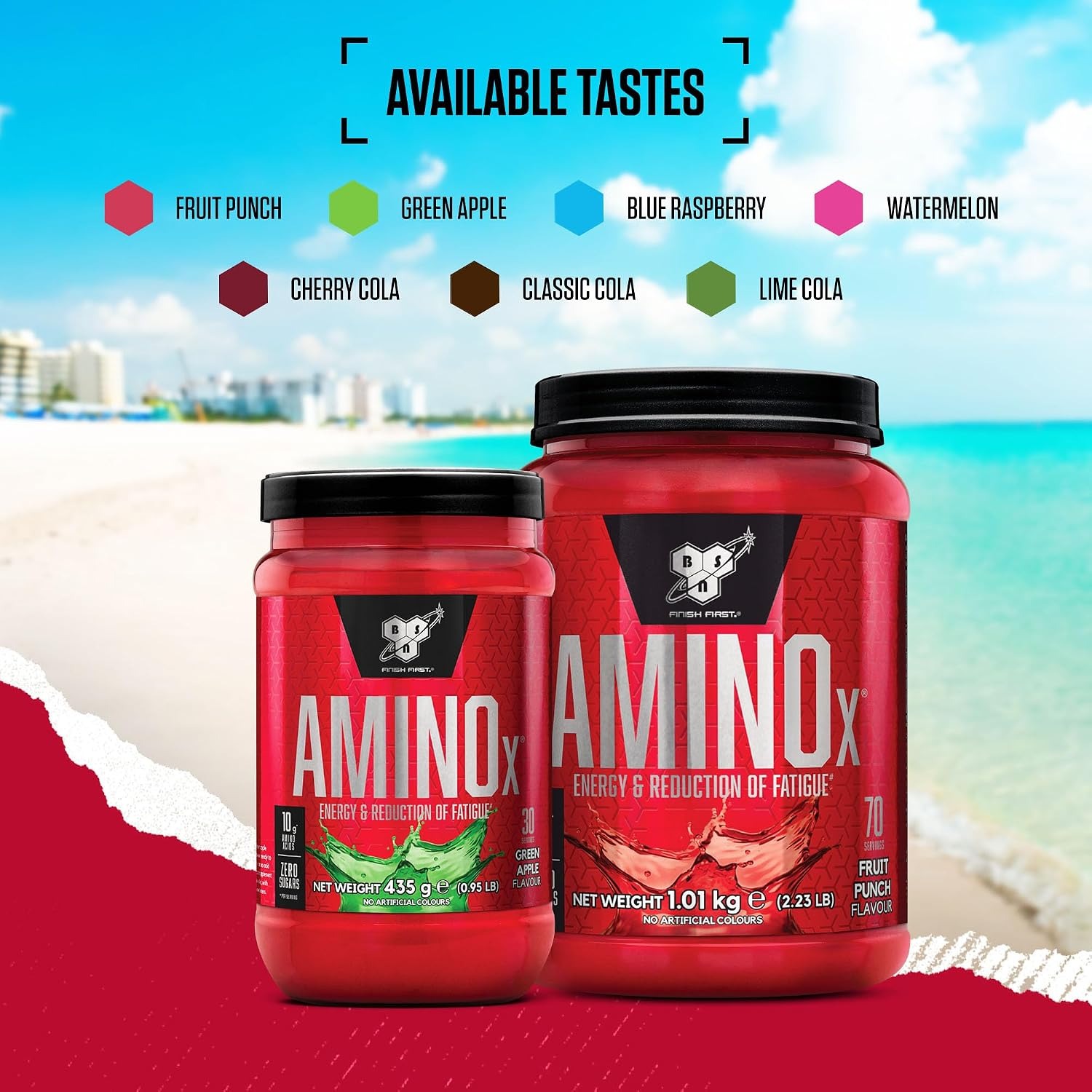
The product is a watermelon-flavoured food supplement in powder form. It is not a ready-to-drink bottle, a capsule or an unflavoured ingredient. You measure a portion and prepare it using the directions on the packaging.
The canister is listed as one item. Its product title says 1 kg, but other fields give 1010.0 g and 1.01 kg. The separate item weight is 1.02 kg. These figures should not be treated as interchangeable.
If the exact amount of powder matters to your purchase, check the net contents printed on the pack. Item weight can refer to a different measurement from net contents, and the maker's description does not explain the difference. It is better to confirm than to build a serving calculation around an uncertain figure.
How the drink is prepared
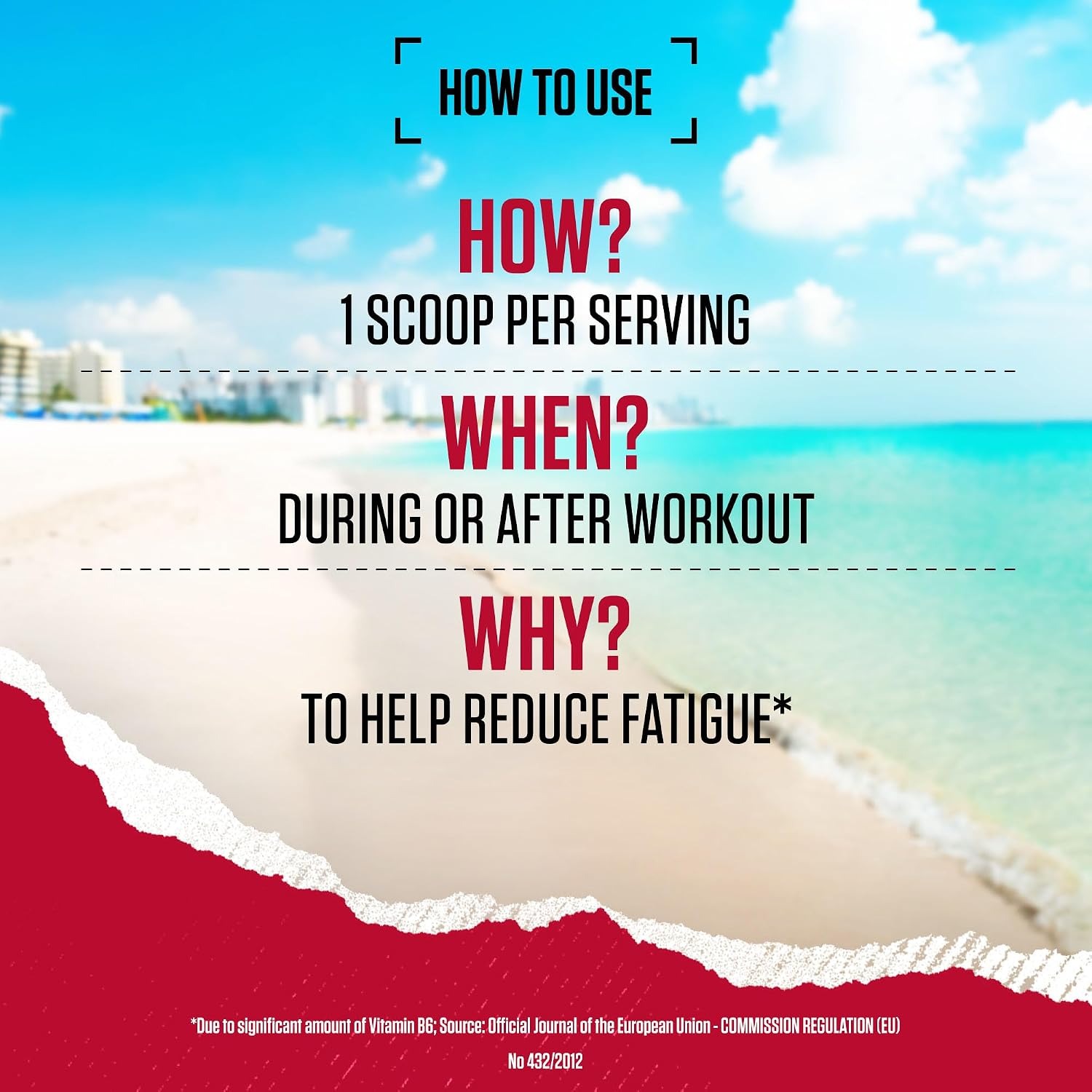
The supplied directions say to mix one level scoop into 225 ml of cold water. The recommended daily portion is one portion. Read the current label before preparing it, since that is the final word on the product you receive.
A level scoop is not the same as a heaped scoop. Follow the stated measure rather than adding extra powder to make a stronger-tasting drink. The maker does not give a scoop weight in grams, so there is no reliable gram-based alternative to offer here.
The maker states 10 g of amino acids per serving. That figure describes the listed amino acid amount, not the total weight of every ingredient in a scoop. Do not use it to work out how many scoops the canister contains.
No precise stirring time or mixing method is supplied. Use a clean drinking container and follow any further instructions printed on the pack. The maker does not support a promise about dissolving speed, texture or foam.
Read the ingredient list before choosing
The supplied amino acid powder ingredients include a branched chain amino acid blend containing L-leucine, L-isoleucine and L-valine. Soya lecithin is included in that blend as an emulsifier. L-alanine, taurine and L-arginine are also named.
Other listed ingredients are citric acid, malic acid, flavouring, sodium bicarbonate, silicon dioxide and beetroot red. The sweeteners are sucralose and acesulfame K. Pyridoxine hydrochloride and cholecalciferol also appear in the supplied list.
This is useful information when comparing products, but it is not a complete table of quantities. Individual ingredient amounts are not provided by the maker. If you need a specific amount of a named ingredient, check the label rather than assuming that all products in this category use the same formula.
One scraped specification labels the primary supplement type as magnesium. That field does not align clearly with the product description. Do not rely on it as confirmation of magnesium content or quantity.
Sugar free does not mean unsweetened
This watermelon supplement powder is listed as sugar free. It also contains named sweeteners, so sugar free should not be read as meaning unsweetened.
The flavour is watermelon, but the maker does not tell us how sweet, sharp or mild the finished drink tastes. Those are personal judgments, and a flavour name alone cannot settle them. If you dislike flavoured powders or either listed sweetener, review the ingredients before opening the seal.
The product is also listed as caffeine free. That is a formula detail, not a promise about how you will feel after drinking it. Choose it based on the stated contents and your own requirements, without assuming results that the maker does not establish.
Take the allergen information seriously
Soy is present in the ingredient list as soya lecithin. Anyone avoiding soy should take that into account before buying or preparing the powder.
The milk notice needs more care. The scraped wording is unclear and does not reliably distinguish between milk as an ingredient and a possible cross-contact warning. This guide cannot turn that unclear text into a definite allergen statement.
If you need to avoid milk, check the current pack and ask for clarification before use. Do not taste a small amount as a way of checking suitability. The same caution applies if a clear allergen declaration is essential for someone else in your household.
Vegan status and gluten-free status are not specified. A fruit flavour does not establish either one. Look for an explicit statement on the current packaging if those details are part of your buying decision.
Decide whether it suits your needs
The age range in the maker's description is adult. That is the stated audience, rather than a guarantee that it is suitable for every adult. Personal dietary needs, allergies and other products you take can still affect your decision.
If you take medicines, are pregnant or breastfeeding, or are unsure about a listed ingredient, ask a pharmacist or qualified healthcare professional before use. The maker does not answer those individual questions.
Food supplements should not replace a varied diet. The supplied warnings also say not to exceed the recommended daily dose and to keep the product out of reach of children. These are practical limits to follow, not small-print details to skip.
You do not need to choose an adult amino acid supplement simply because it appears in someone else's routine. First decide whether the format, ingredients and preparation directions meet your own requirements.
Compare packs using confirmed numbers
When comparing an amino acid powder canister with another option, start with the net contents and the labelled serving size. Then check the serving count, ingredients and allergens. Price per canister alone can hide differences between products.
For the maker's description, the missing scoop weight and serving count prevent a reliable cost-per-serving calculation. The conflicting weight fields add another reason to check the pack before doing the maths.
Avoid assuming that two watermelon powders are equivalent. They may share a flavour name while having different ingredients or directions. A useful comparison depends on confirmed label details, not just similar wording on the front.
The listed dimensions are 41.7 x 27.7 x 24.1 cm. The maker does not explain how these were measured, so do not treat them as a precise guide to the space the canister will occupy in a cupboard.
Make storage part of the routine
Follow the storage instructions on the packaging. Keep the container closed between uses and use clean, dry utensils when measuring the powder.
Choose a storage place that children cannot reach. Avoid leaving the canister open while preparing other food or drinks, and check the expiry information before use.
The maker does not supply a shelf life after opening or a specific storage temperature. Do not borrow those details from another powder. The current label is the right reference for this particular pack.
If you notice a damaged seal on arrival, pause before using the contents and contact us. Keeping the packaging and order details available can help explain the issue.
Check delivery and returns before opening
No delivery lead time is given in the maker's description. Check the delivery estimate shown for your address before ordering, especially if you need the pack by a particular date.
For the stated United Kingdom return terms, unopened packs can be returned within 14 days of delivery if they remain in their original sealed packaging. The customer pays return postage.
That makes the first label check important. Read the ingredients, allergen statement and directions before breaking the seal. If it is a gift, let the recipient make that check themselves.
Faulty or wrongly described goods are put right free of charge. That is separate from deciding that an otherwise correctly supplied pack is not your preferred choice. Contact us if there is a problem rather than assuming you must use it.
The short version
This is a watermelon amino powder in a canister, listed as sugar free and caffeine free. The supplied directions specify one level scoop in 225 ml of cold water, with one portion daily.
Before choosing, confirm the net contents, scoop details and current allergen statement. Soy is listed, while the milk wording needs clarification. Keep the pack sealed until you are satisfied that it is right for you, and use the label as your final reference for preparation and storage.