
The complete guide
A Practical Guide to Choosing Unflavoured Creatine Powder
Choosing a powder can be harder than the product name suggests. A large tub, a short ingredient entry and several dietary tags do not answer every question. You still need to know the pack size, how to measure it, what to mix it with and which warnings matter before opening it.
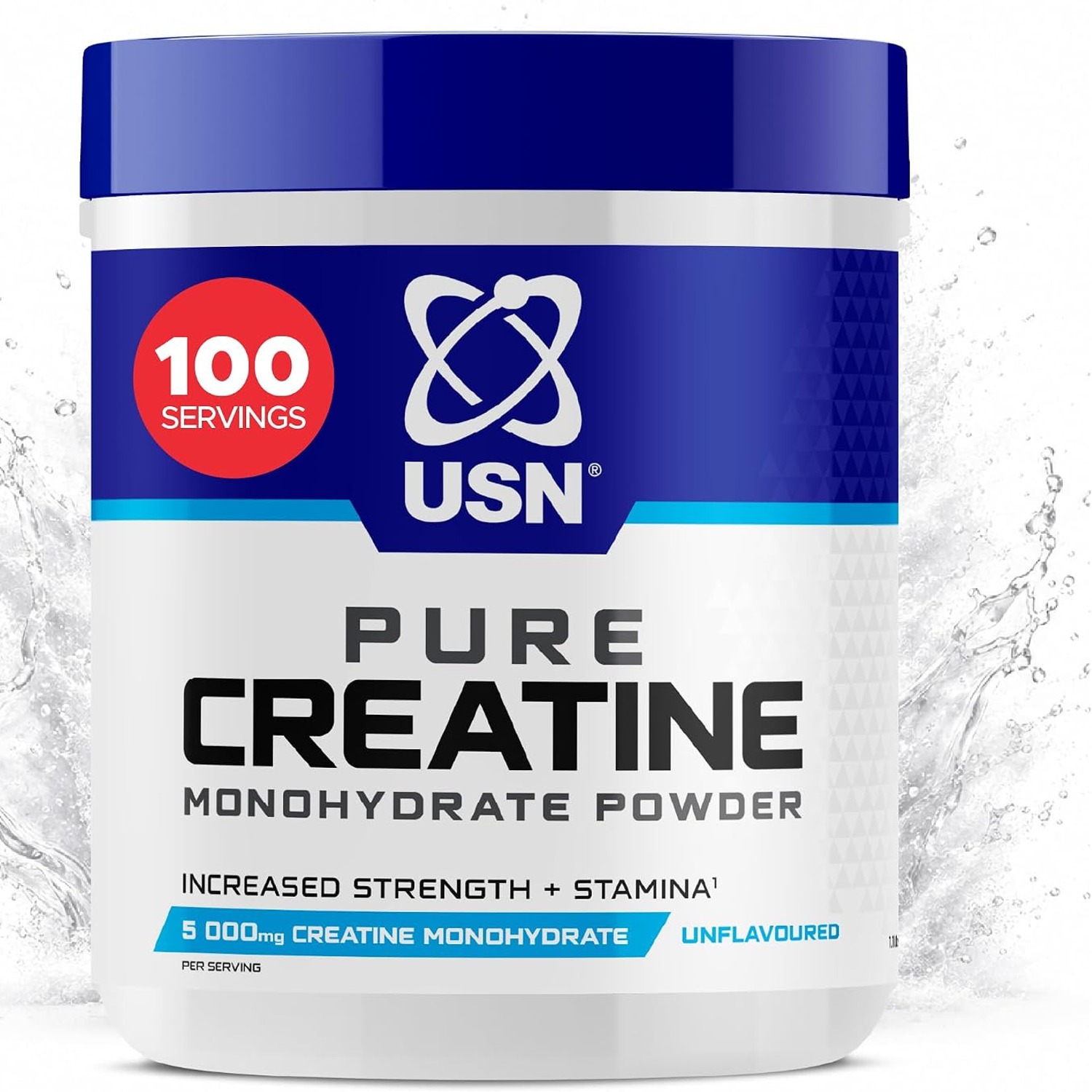
This Creatine Monohydrate Powder Unflavoured 500 g comes as one tub of powder. The practical choice is whether that format fits your needs. This guide focuses on the maker's details, including the parts that need a label check, rather than making promises about results.
Start with the format you want
A powder is a different buying choice from a capsule or a ready-made drink. You measure a portion and mix it yourself. That gives you a choice of drink, but it also means reading the directions and checking the amount each time.
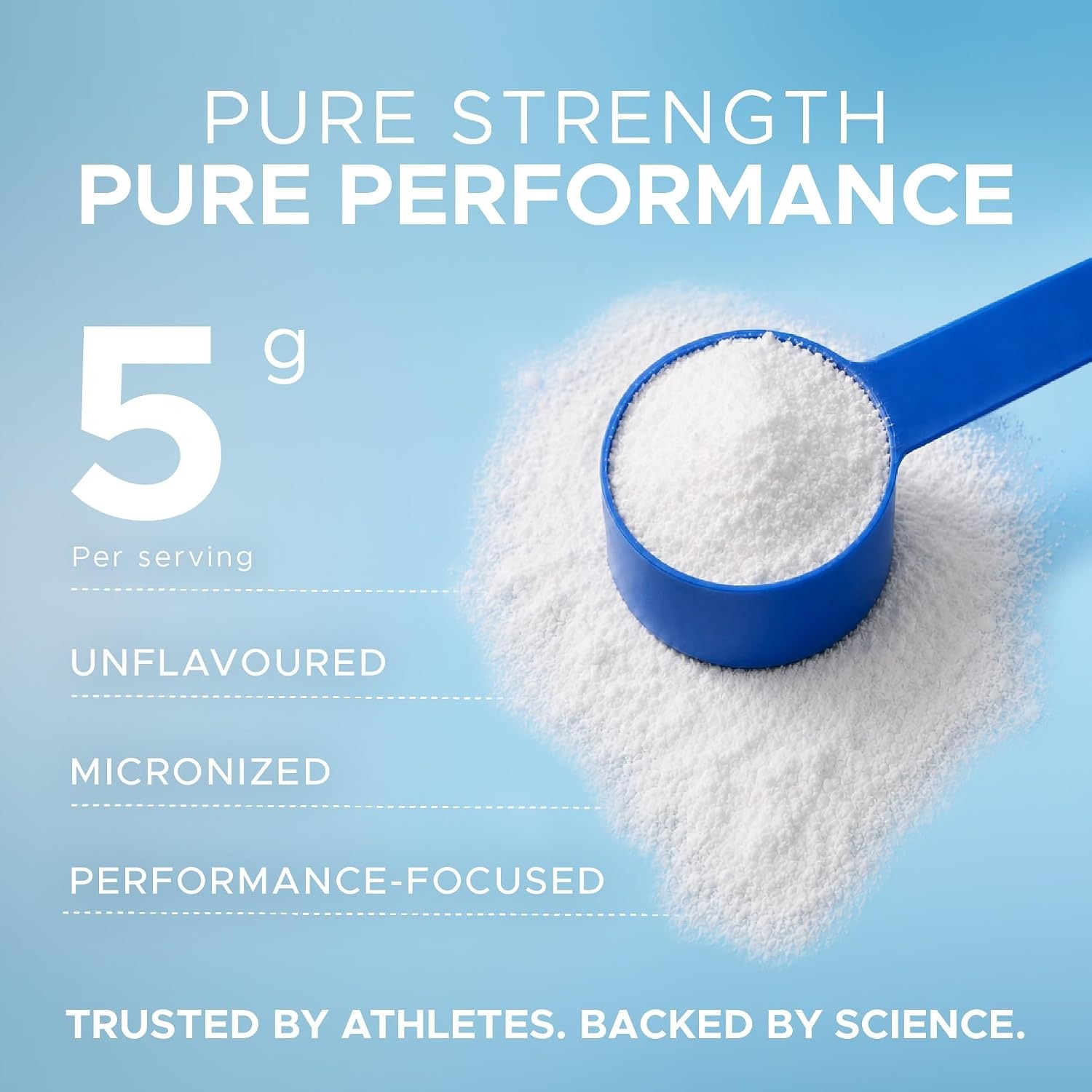
This product is listed as unflavoured. Water, fruit juice and shakes are all named as mixing options. If you already have a drink you prefer, that may make an unflavoured powder a practical format to consider.
Unflavoured is not a guarantee of no detectable taste. Nor does the maker's description give a precise description of texture after mixing. Choose it for its listed flavour format, without assuming it will behave exactly like another powder you have tried.
What the 500 g pack tells you
The pack contains 500 g and is supplied as a single tub. The stated dimensions are 12.5 x 12.5 x 15.5 cm. Those measurements can help you judge whether there is room in a cupboard where the product can stay dry and out of direct sunlight.
The maker gives 100 servings, and the ingredient entry states 5 g of creatine monohydrate. Those details offer a useful starting point when comparing pack sizes. They do not remove the need to check the current label.
A 500 g tub does not tell you a fixed number of calendar days of use by itself. That depends on the supplied directions and how the product is used. Avoid planning around a larger amount just because a tub appears to contain plenty of powder.
Read the portion directions carefully
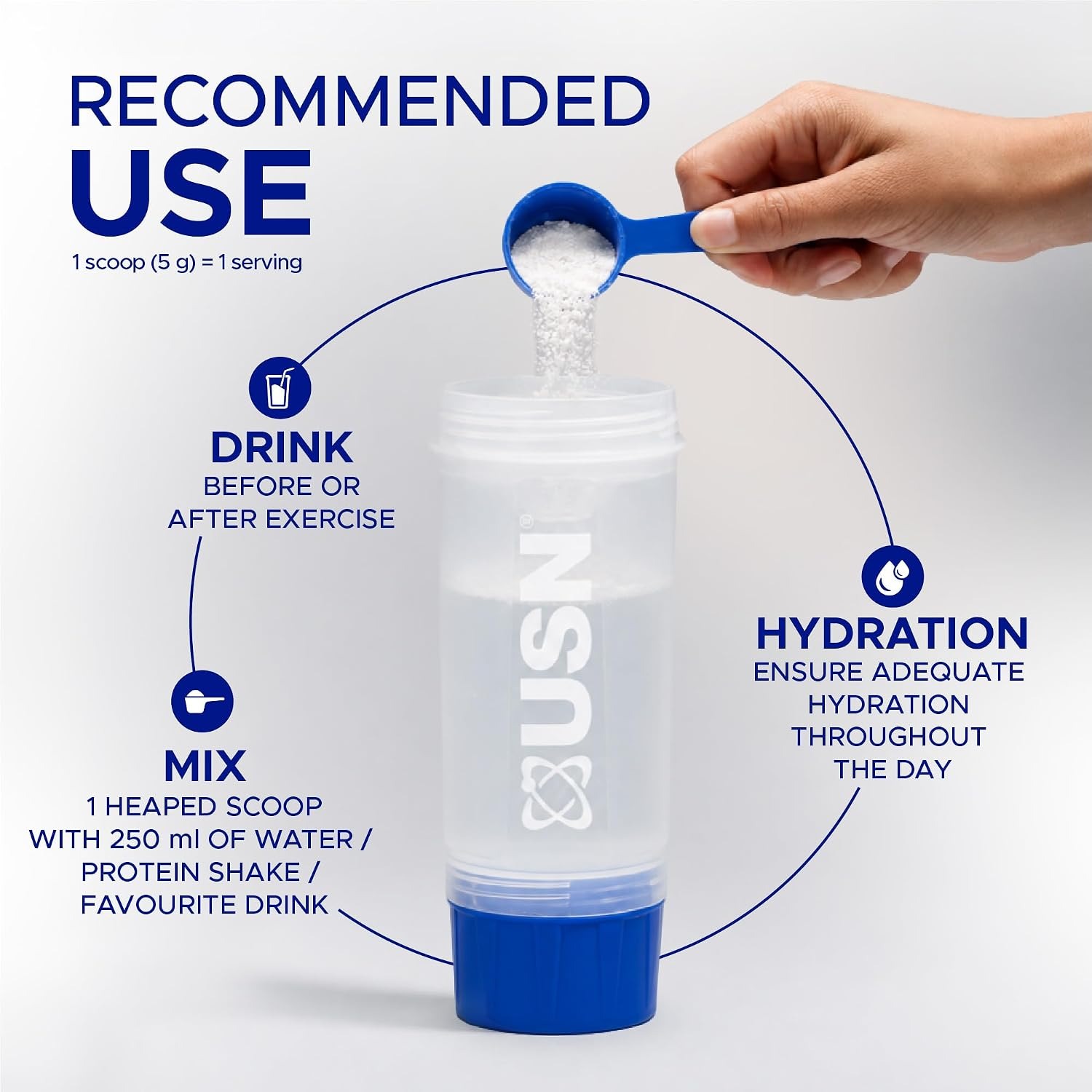
The supplied directions state one portion daily. Elsewhere, the source includes a maximum daily intake of 20 g, described as four servings. These are different statements, and a maximum should not be treated as a recommended target.
For that reason, the pack label is the final word before use. If the label repeats unclear or conflicting instructions, ask for clarification rather than choosing the larger amount. Do not exceed the recommended daily intake.
The maker does not confirm whether a measuring scoop is included. It also does not give a household spoon equivalent. When checking creatine serving size, look for a clear weight-based instruction and a suitable way to measure it. Do not guess from the size of a spoon.
Mixing it with a drink
The maker's details allows mixing with water, fruit juice or a shake. It does not specify a liquid volume, water temperature or exact stirring time. Follow any fuller mixing directions printed on the tub rather than adding details from an unrelated product.
Creatine powder with water keeps the choice of mixing liquid simple. Juice offers another listed option, while a shake may fit an existing routine. Each drink has its own ingredients, so read those labels separately if you are checking sugar, caffeine or allergens.
Prepare the portion using clean, dry equipment. Avoid returning a damp utensil to the tub. The source does not give instructions for storing a prepared drink, so do not assume a mixed portion has the same storage conditions as the dry powder.
Check ingredients before dietary tags
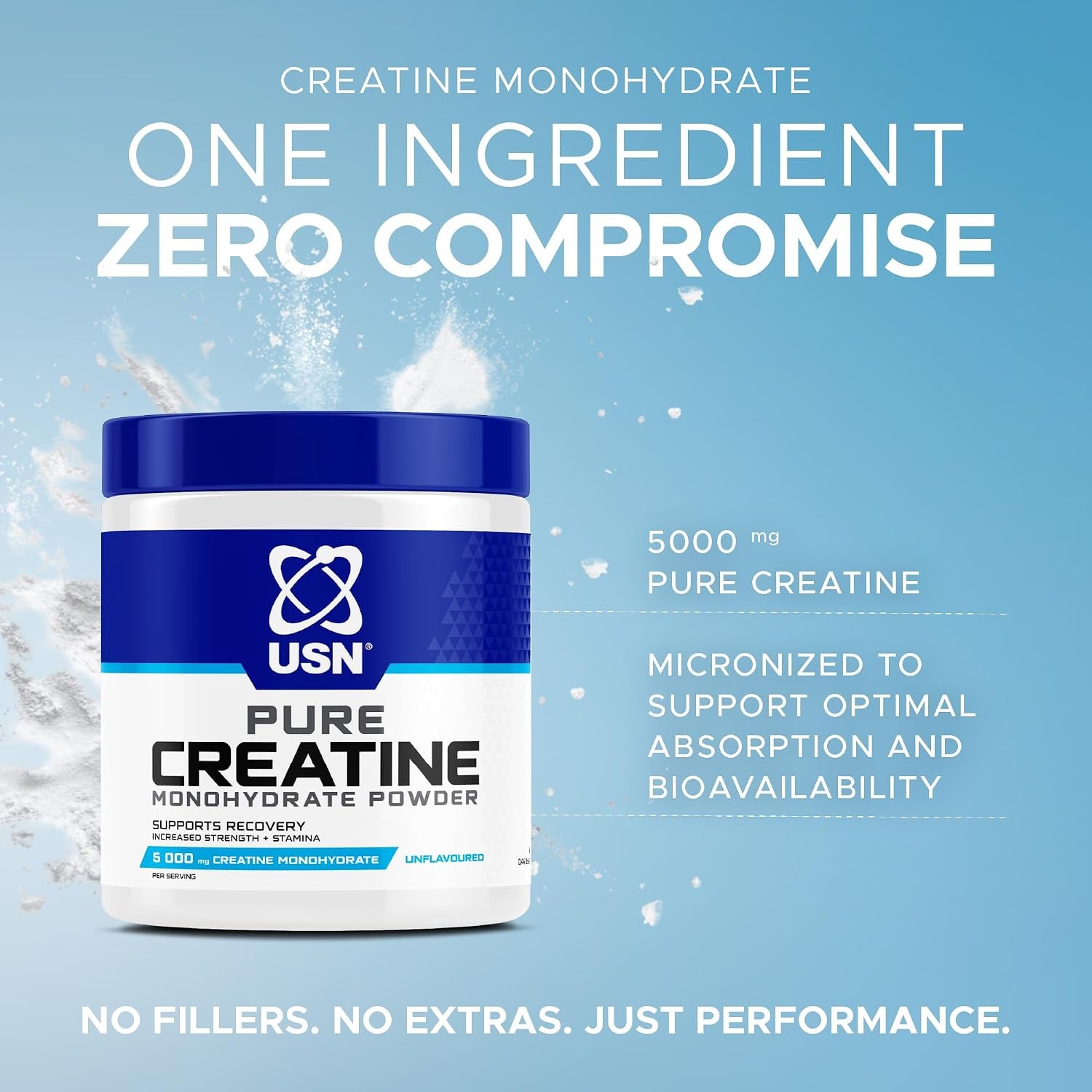
The creatine powder ingredients entry names creatine monohydrate. However, one maker detail also categorises the primary supplement type as magnesium, which does not match the product title or ingredient entry. That conflicting category should not be used to infer an extra ingredient.
The current pack's ingredient panel is the place to confirm what is supplied. If it differs from the description, stop and ask us to clarify the product. A short online description should not override the label on the item you receive.
The maker's description also describes the product as caffeine free, sugar free and GMO free. Those are listed features, not a full ingredient or certification description. No supporting certification is supplied here, and none should be assumed from those descriptions.
Give the milk warning proper attention
The allergen wording in the source is unclear. It reads “Contains: Milk may contain”. That is not clear enough to establish whether milk is an ingredient, a possible cross-contact concern or an error in the maker's description.
This matters because the same description describes vegan and vegetarian suitability. Someone looking for vegan creatine powder should not rely on that dietary tag while ignoring the milk wording. The two details need to be checked together.
If milk avoidance is important, obtain a clear current allergen statement before buying or using the product. Do not treat unflavoured, sugar free or a short ingredient entry as meaning milk free. Those descriptions answer different questions.
Who should check the warnings first?
The stated age group is adult, and the source says to avoid use under the age of 18. It also says to avoid use during pregnancy and in older age. An adult-use label does not cancel those more specific warnings.
No age threshold is supplied for the older-age warning. It would be unhelpful to invent one. If you are unsure whether the warning applies to you, seek qualified advice before deciding to use the powder.
This page does not establish personal suitability. It describes the pack and the supplied directions. Dietary supplements are not a substitute for a balanced and varied diet, and a choice about this tub should start with the warnings rather than a suggested routine.
Compare the details that matter
When comparing creatine monohydrate 500 g products, start with the basics. Check whether each description refers to one tub, the total weight, the flavour and the ingredient entry. Similar-looking product titles can still refer to different formats.
Next, compare portion information and allergen clarity. A serving count is useful only when the serving size is clear. A dietary claim is useful only when it fits the ingredient and allergen information available for that exact pack.
You may also want to confirm whether a scoop is included, where the product is made and what the current label says. Those details are not all specified in the maker's description. Missing information is a reason to ask a question, not a reason to fill the gap with an assumption.
Store the tub with care
The stated storage advice is to keep the powder cool and dry, away from direct sunlight and moisture. Choose a place that meets those conditions and lets you close the tub properly after use.
Keep utensils clean and dry, and check the cap is closed when you put the tub away. A wet mixing spoon should not go back into the powder. Follow any more detailed care instructions printed on the supplied pack.
Before first use, inspect the inner safety seal beneath the cap. Do not use the product if that seal is broken or missing. Keep the packaging and contact us so the issue can be checked before you consume any powder.
Check delivery and returns before opening
A delivery lead time is not given by the maker. Check the delivery information for your UK address before ordering, especially if you need the tub for a particular date. Do not assume an arrival date from the pack's availability status.
For a change-of-mind return, the stated UK window is 14 days from delivery. The pack must be unopened and in its original sealed packaging. The customer pays return postage for this type of return.
Faulty or wrongly described goods are put right free of charge. If there is a problem, contact us and explain what arrived. If you are buying for someone else, check that they want this exact format before they open it.
The short version
This is one 500 g tub of unflavoured creatine monohydrate powder. The maker lists 5 g portions, 100 servings and mixing options that include water, juice and shakes.
The most important checks are the current portion directions, the unclear milk statement and the use warnings. Read those before opening the seal. If the details fit your needs, you can make a straightforward choice based on the pack rather than promises the maker does not support.